
October 10, 2026
What Does Your Period Blood Color Say?
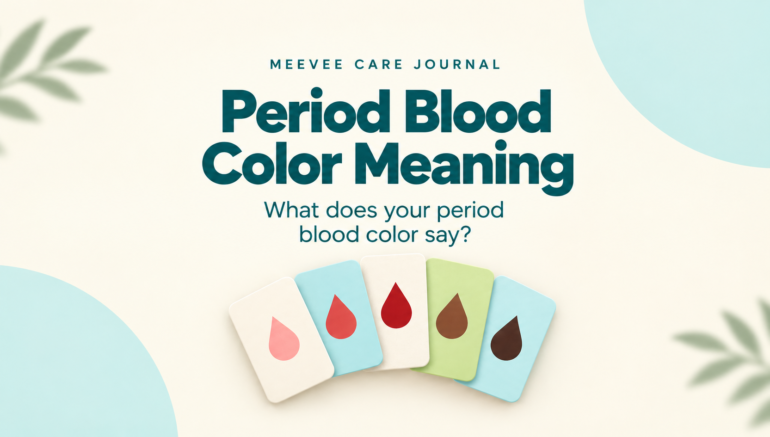
Have you ever looked at your period blood and wondered, “Is this color normal?” Period blood isn’t always bright red. It can appear pink, dark red, brown, or even almost black at different points during your period. In most cases, these color changes are completely normal. Let’s understand what different period blood colors can mean—without the complicated stuff.
Quick Answer
Period blood can naturally change color throughout your cycle. The color can be affected by how quickly the blood leaves your uterus, how long it has been exposed to oxygen, and how heavy your flow is.
What Does Different Period Blood Color Mean?
Bright Red Period Blood
Bright red blood is usually fresh blood that is leaving the uterus relatively quickly. You may notice this color when your flow is heavier, particularly during the earlier part of your period.
Dark Red Period Blood
Dark red blood can simply mean that the blood has taken longer to leave the uterus. It’s also common as your period progresses and your flow becomes lighter.
Brown Period Blood
Brown blood is usually older blood. When blood stays in the uterus or vagina for longer, it can become darker as it is exposed to oxygen. You may notice brown discharge toward the beginning or end of your period.
Pink Period Blood
Period blood can sometimes look pink when it mixes with vaginal fluid or when your menstrual flow is lighter. It can happen at the beginning or end of a period.
Is Black Period Blood Normal?
It can be. Very dark brown or almost black period blood is often older blood that has taken longer to leave the body. However, color alone doesn’t tell you everything about your menstrual health. Pay attention to other changes too, such as unusual pain, very heavy bleeding, or an unusual smell.
When Should You Be Concerned?
Most period blood color changes are not a reason to worry. However, it’s a good idea to speak with a healthcare professional if you notice changes along with symptoms such as:
- Very heavy bleeding
- Severe or unusual pain
- Bleeding between periods
- Bleeding after sex
- A strong or unusual vaginal odor
- Symptoms that are new or getting worse
If something feels different from your usual period pattern, don’t ignore it.
Myth vs Fact
Myth: Dark period blood means something is wrong.
Fact: Dark red or brown blood is often simply older blood and can be completely normal.
Myth: Period blood should always be bright red.
Fact: Period blood can naturally change color throughout your period.
Myth: The color of period blood can diagnose a health problem.
Fact: Color alone isn’t enough to determine what’s happening. Other symptoms and your overall cycle pattern matter too.
When Should You Talk to a Doctor?
Consider talking to a healthcare professional if you notice:
- Very heavy bleeding
- Bleeding that lasts unusually long
- Severe period pain
- Bleeding between periods
- A sudden major change in your usual cycle
- Symptoms that interfere with school, work, relationships, or everyday activities
You don’t need to wait until something becomes unbearable to ask for help.
Frequently Asked Questions
1. What is the normal color of period blood?
Period blood can range from bright red to dark red, brown, pink, or very dark brown. Different colors can occur during different stages of your period.
2. Why is my period blood brown?
Brown blood is often older blood that has taken longer to leave your body. It’s commonly seen toward the beginning or end of a period.
3. Why is my period blood dark red?
Dark red blood can simply be blood that has taken longer to leave the uterus. It is commonly seen as menstrual flow changes.
4. Is black period blood normal?
Very dark brown or almost black blood can be older blood. However, if it occurs with unusual symptoms, it’s worth speaking with a healthcare professional.
5. What if my period suddenly changes?Should I worry about pink period blood?
Pink blood can happen when menstrual blood mixes with vaginal fluid or when your flow is light. If you’re concerned about a persistent change in your bleeding pattern, talk to a healthcare professional.
Conclusion
Period blood doesn’t have just one color—and that’s completely okay. Bright red, dark red, brown, and pink blood can all occur during a normal period. What matters most is understanding your usual cycle and noticing changes that are unusual for you. Your period can tell you a lot about your body. The more you understand it, the easier it becomes to know when something deserves attention. Want to understand your period without all the complicated stuff? 💚 Follow Meevee Care for simple, friendly and relatable period-care information.